
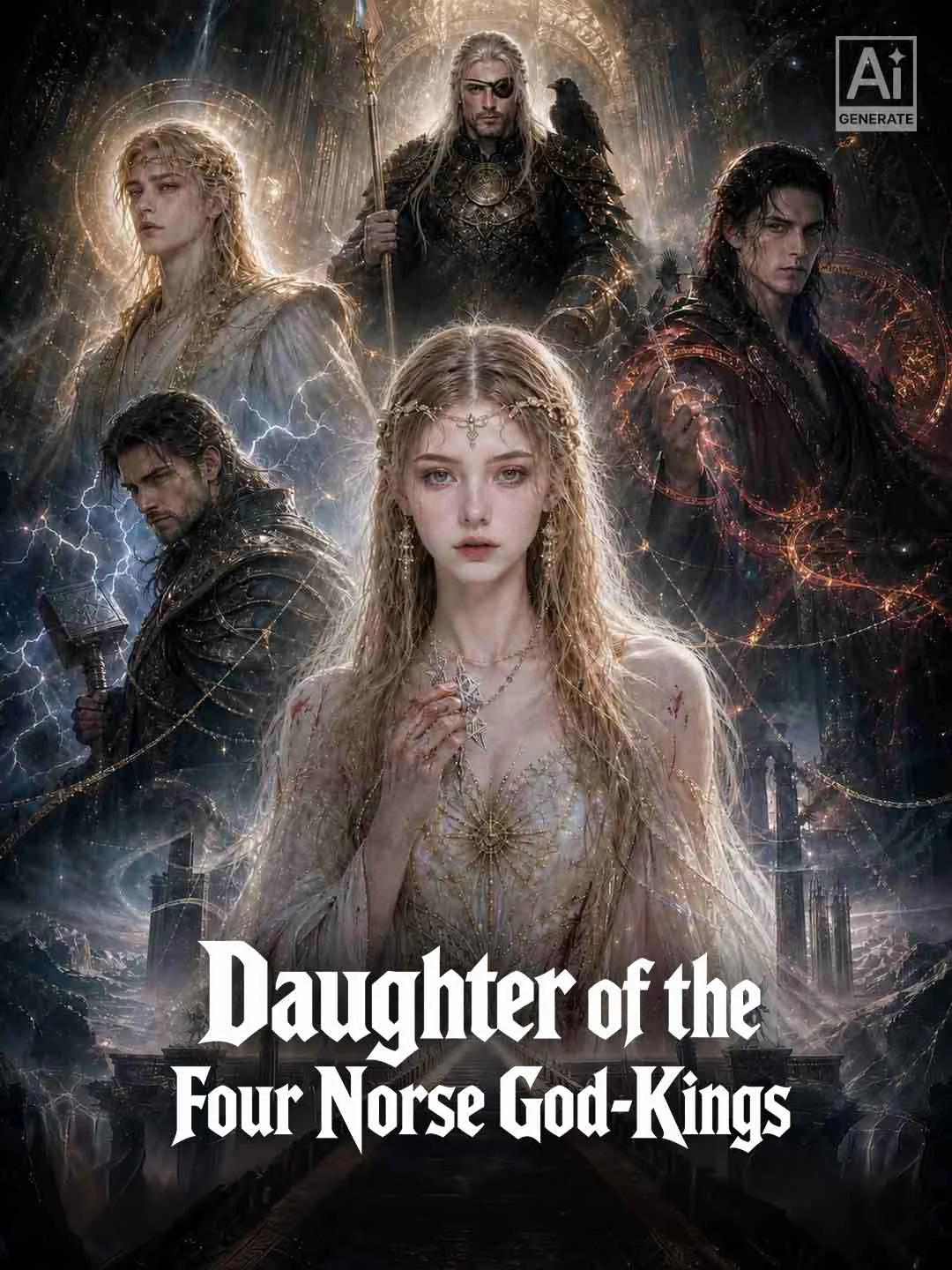
A Divine Tragedy of Love and Loss
In the realm of short-form fantasy, Daughter of the Four Norse God-Kings stands out as a visceral exploration of broken trust and the resilience of the human spirit. The story introduces us to Evelyn, a woman whose life is defined by the devastating betrayal of the four god-kings who raised her as their own. When the deceptive Freya orchestrates a cruel narrative to frame her, Evelyn is cast out and stripped of everything she holds dear. This drama masterfully blends gritty fantasy elements with deep emotional stakes, crafting a narrative hook that is impossible to ignore. As the gods realize their catastrophic mistake, the viewer is drawn into a high-stakes power struggle where the most precious thing at risk is the possibility of forgiveness.
Crafting Myths in Vertical Frames
The production quality of this series utilizes the vertical short-form format to its advantage, creating an intimate and claustrophobic atmosphere that mirrors Evelyn's internal state. Each episode is meticulously paced to deliver maximum impact, utilizing quick cuts and sharp cinematography to maintain tension throughout the narrative. The technical execution emphasizes the contrast between the ethereal, cold nature of the god-kings and the raw, earthy reality of Evelyn's suffering. By stripping away the fluff and focusing on high-emotion sequences, the series ensures that every minute serves the broader arc. This aesthetic choice transforms the viewing experience, making the supernatural elements feel grounded and urgent, perfect for the modern mobile audience.
The Weight of Broken Bonds
At its core, the series explores the profound themes of betrayal, identity, and the heavy burden of legacy. The narrative investigates how the unconditional love a child has for their parents can be weaponized against them, leading to a profound identity crisis. Another central theme is the nature of truth versus perception, as the god-kings are forced to confront the reality that they chose a lie over their own flesh and blood. Finally, the story delves into the concept of rebirth and autonomy, asking whether a person can ever truly return to a place that once destroyed them. These themes elevate the drama, transforming a simple tale of revenge into a complex meditation on what it means to be worthy of love.
The Fall and the Long Road to Truth
Advertisement
The story begins with a profound sense of injustice, as Evelyn is systematically dismantled by those she trusted most. We watch as the four god-kings, blinded by the machinations of the false saintess Freya, turn their backs on the daughter they once cherished. The inciting incident is a harrowing display of power, where Evelyn is not only exiled but physically and spiritually broken. This initial situation sets a somber tone, emphasizing the sheer isolation of a protagonist who has lost the divine figures she considered her fathers. The audience is immediately invested in her survival, as her descent from grace is swift and merciless.
As the narrative progresses, the conflict shifts from Evelyn's survival to the gods' desperate attempts at reconciliation. Once the truth about Freya's manipulation surfaces, the god-kings realize they have lost the one person they were meant to protect. The tension escalates as the power dynamic flips, placing the gods in a position of supplication while the now-hardened Evelyn refuses to play the role of the obedient daughter. The drama thrives on this friction, keeping viewers hooked with the constant question of whether the bonds of family can be mended after such a fundamental betrayal. Every episode peels back another layer of the mystery, ensuring that the stakes remain high as the past continues to haunt the present.
Evelyn: A Soul Reborn from Ashes
Evelyn is a character defined by her transition from a naive, loving daughter to a woman who has survived the absolute worst. Her primary driver at the start is her loyalty and desire for the approval of her father figures, which makes her eventual fall all the more tragic. Her flaws are not of character, but of trust; she is perhaps too willing to believe in the goodness of others, a trait that the villainous Freya exploits to perfection. As the story unfolds, we witness her transformation into a resilient force, one who no longer begs for love but demands respect. Her relationships are scarred by the past, and her arc is not necessarily one of forgiveness, but of rediscovering her own worth independent of the gods who shaped her early life.
Freya: The Architect of Divine Deception
Freya serves as the ultimate antagonist, the catalyst who most profoundly affects Evelyn's trajectory. Driven by jealousy and a calculated desire for power, she weaves a web of lies that successfully alienates the god-kings from their daughter. She is the shadow in the narrative, a character who understands exactly how to manipulate the emotions and insecurities of the powerful. Unlike Evelyn, whose power is tied to her identity and hidden lineage, Freya relies entirely on deception and the fragility of others' perceptions. Her presence in the story acts as a constant obstacle to any potential reconciliation, as she works tirelessly to maintain the distance between Evelyn and the gods. She is the personification of the betrayal that defines the series, forcing both the protagonist and the supporting cast to confront their own weaknesses.
The Power of Unspoken Connections
The strongest ingredient in this drama is the emotional weight behind the strained connections between Evelyn and the figures from her past. The series excels at depicting the agony of lost intimacy, using tense, dialogue-heavy scenes to explore the history of what was once a loving family. These scenes work because they focus on the specific, visceral reactions of the characters to the realization of their errors. It is not just about the supernatural spectacle of Norse gods; it is about the very human experience of regretting a decision that cannot be undone. When the god-kings eventually attempt to bridge the gap, the emotional friction between their desire for redemption and Evelyn's hardened exterior provides the series with its most compelling moments. This focus on the internal conflict of the heart keeps the audience anchored in the story, making the resolution feel earned and deeply significant.
A Must-Watch for Fantasy Enthusiasts
Daughter of the Four Norse God-Kings is a perfect fit for the ReelShort catalog, catering to viewers who crave high-concept fantasy mixed with intense, grounded emotional drama. It stands out by balancing its epic, mythological premise with a very intimate focus on interpersonal relationships and the fallout of betrayal. For fans of the platform, it offers the ideal blend of rapid-fire pacing and high-stakes tension that makes short-form content so addictive. Its appeal lies in the way it handles the complex dynamics of power and family, ensuring that every short episode leaves the viewer wanting more. It is a standout title that demonstrates how effectively short-form media can tackle grand, sweeping narratives while remaining deeply focused on the characters at the center of the storm.
Advertisement
The Lingering Echo of Redemption
Ultimately, this drama leaves the viewer contemplating the true nature of family and the possibility of coming back from the brink of total destruction. It does not provide easy answers, instead forcing the audience to sit with the complicated reality of lives irrevocably changed by falsehoods. The series is a testament to the idea that love, once broken, requires more than just an apology to be restored. For those who appreciate stories that explore the darker sides of relationships alongside grand fantasy themes, this is an essential watch. It is a powerful, emotional rollercoaster that highlights the strength found in the wake of tragedy, and I highly recommend diving into Evelyn's journey to see if she can truly find her way home.