
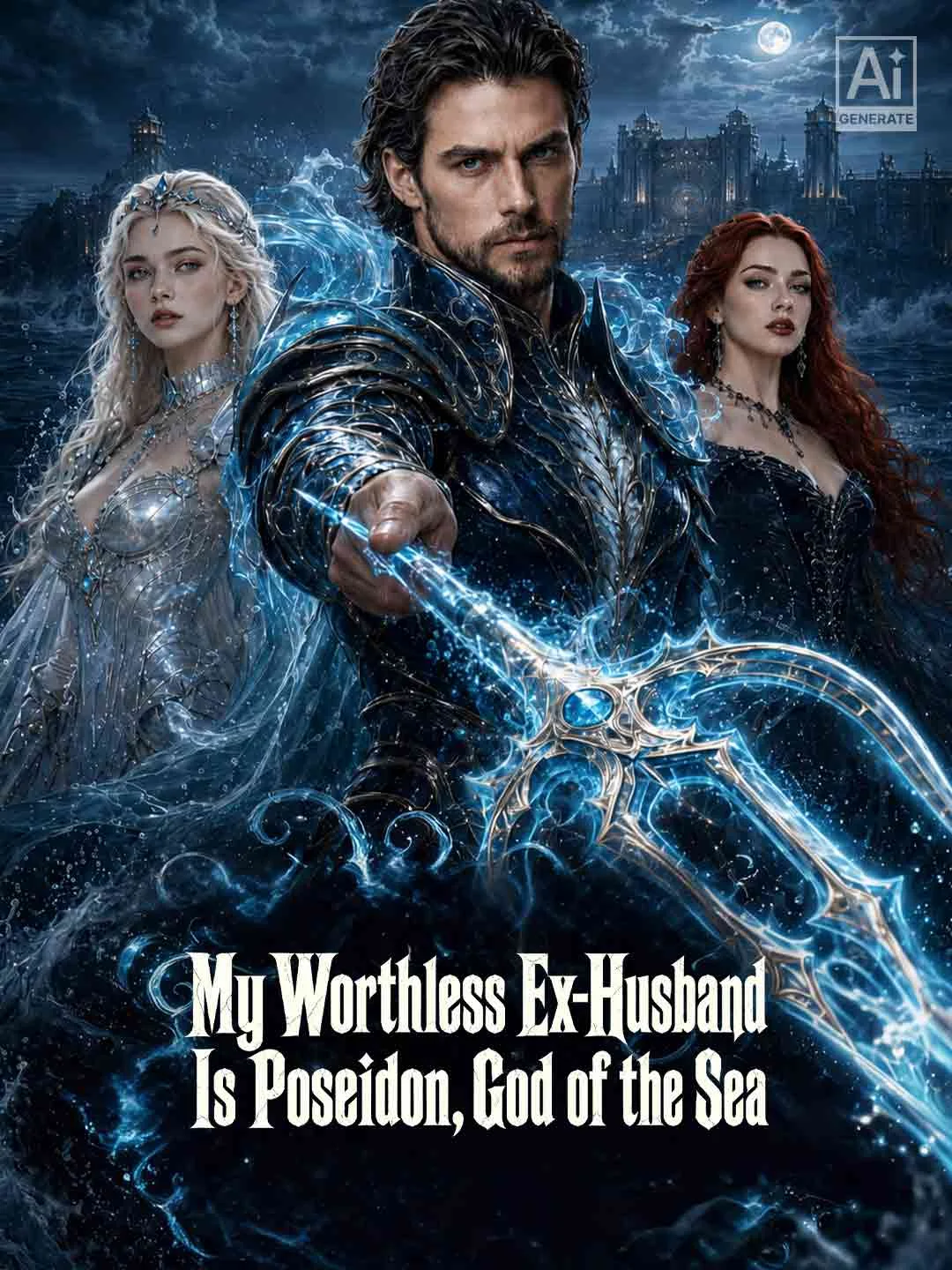
A Love Submerged in Myth and Misunderstanding
What happens when the man you dismiss as a failure is actually the deity keeping your entire world from drowning? My Worthless Ex-Husband Is Poseidon, God of the Sea is a sweeping fantasy drama that masterfully blends supernatural stakes with the intimate pain of a broken marriage. At its core, this series is not just about ancient myths or impending apocalypses, but about the profound tragedy of a love built on a foundation of secrets and pride. By centering the narrative on the volatile connection between a powerful immortal and his human wife, the show crafts a compelling hook that forces viewers to question how much they truly know about their partners. It is a story of sacrifice, hidden devotion, and the devastating price of misplaced trust.
The Vertical Lens of Divine Drama
ReelShort delivers this epic tale through the high-octane format of vertical, short-form episodes that feel tailor-made for binge-watching. Each installment acts as a rapid-fire emotional beat, utilizing tight framing to capture the micro-expressions of the leads as their relationship unravels. The technical execution favors dramatic lighting and sweeping, albeit condensed, fantasy sequences that emphasize the disparity between the protagonist's humble human guise and his true, oceanic power. Pacing is relentless, mirroring the urgency of the encroaching tsunami, yet the editing consistently finds pockets of silence for the characters to clash. This visual style transforms every domestic argument into a high-stakes confrontation, ensuring that the audience remains tethered to the screen through every shift in the power dynamic.
Themes of Sacrifice and Blind Allegiance
The series excels at exploring the friction between perception and reality. Central to this is the theme of unrequited, silent sacrifice, as the protagonist protects his family while being actively ostracized by them. The story also digs deep into the dangers of blind allegiance, shown through the wife's misguided faith in a manipulative suitor, which blinds her to the virtues of her own husband. Furthermore, the narrative touches upon the heavy burden of duty, questioning whether an immortal can truly find happiness in a mortal life. These themes manifest in every interaction, turning simple dialogue into a complex dance of hidden motives and repressed emotions that define the characters' paths.
The Collapse of a Fractured Union
Advertisement
The story begins in the aftermath of a century-old vow, where the protagonist is bound to the granddaughter of the man he once saved. He enters the family not as a god, but as a humble blacksmith, hoping to find a quiet life with his wife. However, the domestic bliss he seeks remains elusive, as he is viewed by his wife and her clan as a disgrace who contributes nothing to their status. The inciting incident occurs when the wife, blinded by the charms of an ambitious noble, begins to view their soul bond as a shackle rather than a sacred promise, setting the stage for a tragic misunderstanding that threatens the very existence of their civilization.
As the conflict intensifies, the narrative expertly ratchets up the tension by contrasting the protagonist's quiet endurance with the loud, performative betrayal of the antagonist. The wife's decision to break the bond becomes the catalyst for the ultimate crisis, stripping the Sea Barrier of its divine protection and inviting the wrath of the ocean. The viewer is kept on the edge of their seat not just by the approaching supernatural disaster, but by the slow, agonizing process of the wife realizing that the man she cast aside was the only one who truly loved her. The plot masterfully weaves these emotional threads together, ensuring that each twist feels like a direct consequence of their fractured relationship.
The God Who Loved in Silence
The protagonist is a figure of immense strength and tragic restraint. Driven by a sense of duty to his past oaths, he enters the mortal world with the intention of being a protector rather than a ruler. His primary flaw is his absolute stoicism, which prevents him from defending his own reputation or revealing his true nature to his wife. This creates a heartbreaking arc where he must watch the woman he loves grow to despise him for the very things he does to keep her safe. His relationship with his wife is defined by a lack of communication, turning his genuine gestures of care into perceived slights. As he eventually withdraws his power, his arc shifts from a patient guardian to a man finally choosing to let the consequences of human choice unfold.
A Wife Blinded by Pride
The granddaughter serves as the emotional anchor and the primary source of conflict for the audience. Initially portrayed as a woman burdened by the weight of her clan's expectations, her arc is one of painful realization and growth. She is driven by a desire for respect and status, which makes her an easy target for the manipulative noble who ultimately tears her marriage apart. Her relationship with her husband is the tragedy of the show; she measures his worth by societal standards, completely missing the quiet, divine love he offers. Her journey is defined by the devastating realization that the man she considered worthless was, in fact, the savior she never deserved. Her transition from scorn to regret is the heart of the series.
The Alchemy of Emotional Betrayal
The strongest element of the series is the palpable, agonizing tension between the couple. The show thrives on the irony that the protagonist is the most powerful being in the world, yet he is utterly powerless against the emotional distance his wife places between them. This dynamic works because it taps into a universal fear of being misunderstood by those we hold most dear. The scenes where he quietly endures her harsh words, knowing that his silence is the only thing keeping her safe from a watery grave, are masterfully acted and emotionally resonant. It is this emotional stakes, rather than the fantasy elements, that elevate the drama. By focusing on the romance—or lack thereof—the show creates a compelling narrative where the real battle is not against monsters, but for the heart of a person who has lost their way.
Why This Tale Resonates on ReelShort
My Worthless Ex-Husband Is Poseidon, God of the Sea fits the ReelShort platform perfectly, utilizing the app's penchant for high-stakes melodrama and rapid emotional payoffs. It stands out in the catalogue by grounding its supernatural premise in the relatable, messy reality of a failing marriage. For viewers who love stories about the "misunderstood hero" trope or the "regretful lover" arc, this series offers a satisfyingly intense experience. The short, punchy episodes ensure that the emotional highs and lows are delivered with maximum impact, making it an ideal choice for audiences who enjoy binge-watching content that prioritizes immediate, visceral reactions. It is a testament to how effectively the platform can package epic fantasy scales into a format that feels deeply personal and intimate.
Advertisement
A Final Wave of Reflection
By the time the final episodes approach, the series leaves the viewer with a profound sense of melancholy and anticipation. It is a story that lingers, forcing us to consider the value of the people we might be overlooking in our own lives. While the fantasy elements and the impending tsunami provide a thrilling backdrop, the true power of this drama lies in its exploration of love, pride, and the irreversible nature of betrayal. For those seeking a drama that combines supernatural spectacle with a deeply moving, character-driven narrative, this show is a must-watch. It serves as a reminder that sometimes the most important people are hidden in plain sight, waiting for the truth to surface.